Facts checked 2026-11-15.
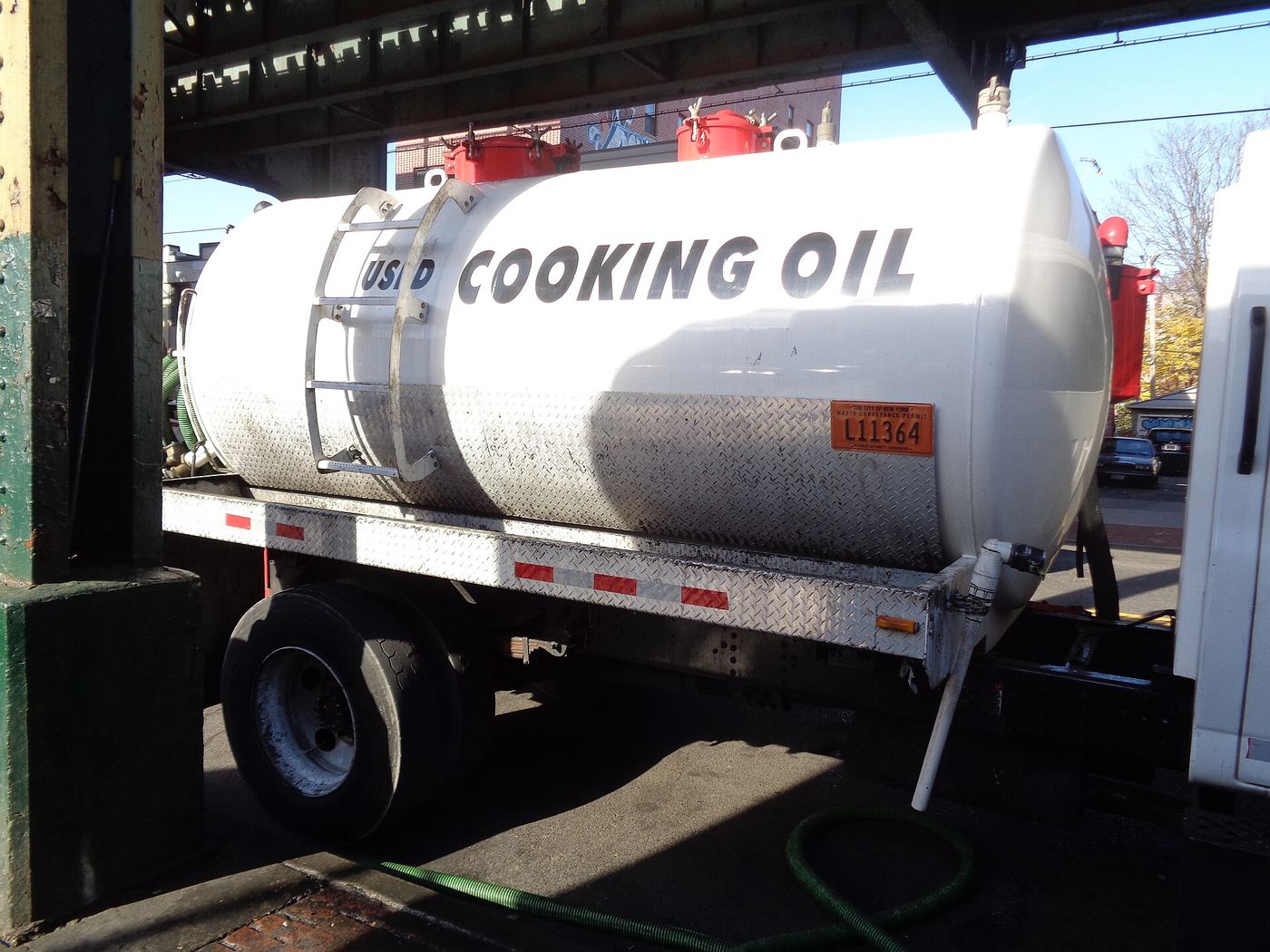

Fryer oil and grease trap waste are two separate wastes with separate regulators. In Texas that office is the Department of State Health Services (DSHS), under the rendering law in Health and Safety Code chapter 144. Texas Commercial Kitchen Connect passes your pickup request to collectors serving your ZIP code. The collector does the pickup.
Two wastes, two regulators
TCEQ's term for fryer oil is yellow grease, and it leaves transport to DSHS. Trap waste goes the other way, since TCEQ registers those haulers.
| Fryer oil | Trap waste | |
|---|---|---|
| Transport regulator | DSHS | TCEQ |
| Kept in | A container for the recycler's pickup | The trap or interceptor |
| Main rules | Health and Safety Code chapter 144 | 30 TAC chapter 312 and city rules |
If your trap needs emptying, that is the pumping page.
A collector may have no state license
DSHS says rendering operators under chapter 144 need no DSHS license to do business in Texas. They remain under the Texas Renderers' Licensing Act and 25 TAC chapter 221. So the collector might have no state license to show you, unlike a fire company. Find out which rules the company follows and where the oil ends up.
Get prices for this job. Send one request and pick how many local companies quote it.
Get quotesThe container
The law sets these duties for the bin:
- A bin at a collecting point remains on your property.
- Whoever owns the bin keeps it sanitary and leak-proof and swaps it out as needed.
- Spills during loading or unloading are cleaned up right away.
If the collector owns the bin, the leak-proof duty is the collector's. Settle ownership before you sign.
Signs the bin is a problem
- oil pooled around the base of the container
- a lid that no longer closes
- a bin that overflows between pickups
- a container that has moved off your property
Trucks and city rules
Vehicles that carry oil to a rendering plant must be leak-proof and kept so they do not become a nuisance. Chapter 144 leaves cities free to regulate rendering businesses inside their limits. In Houston, an inspector reviewing a restaurant's grease program also looks over the dumpster and oil bin area.
Theft
State law bars a person from stealing, misappropriating, contaminating or damaging recyclable cooking oil or its containers. Knowingly taking stolen oil is barred too, for renderers, haulers and anyone else.
Before you agree to a pickup
- Which rules does the company follow, and what happens to the oil afterward?
- Does the company or the restaurant own the bin?
- Who replaces a bin that leaks?
- What is the pickup schedule, and how are you told of a visit?
- What is the plan if the bin is stolen or damaged?
Rule questions belong to the agency that decides. We make no statement about what a collector will pay or charge.
Questions
Who regulates fryer oil in Texas?
DSHS regulates its transport under chapter 144 and 25 TAC chapter 221. TCEQ regulates trap waste, which is a different material.
Does an oil collector need a state license in Texas?
DSHS says rendering operators under chapter 144 do not need a DSHS license. They stay under the rendering law and its rules.
Is stealing used cooking oil illegal in Texas?
Yes. State law bars stealing, contaminating or damaging the oil or its containers.